
September 17, 2026 0 Comments
Derivative
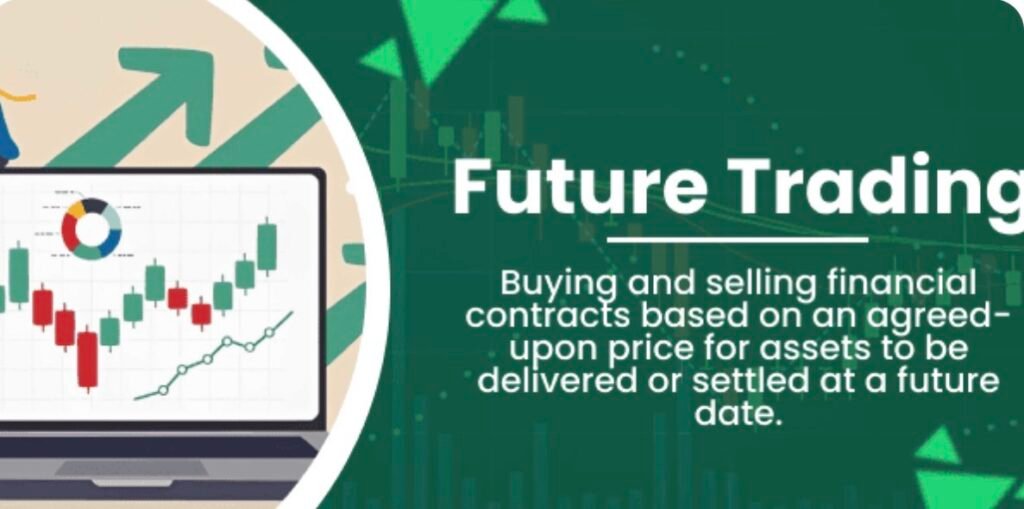
What is Derivative market?
The derivatives market is a marketplace where investors and traders trade contracts that derive their value from an underlying asset for specific time period. These contracts are called derivatives.
Key Characteristics of Derivatives:
Underlying Assets: The value of the derivative depends on the price or performance of an underlying asset. This asset could be anything from a Index and Stocks
Leverage: With very little capital, investors can take on big Positions due to derivatives. Higher profits are possible as a result, but there are also greater risk.
Hedging & Speculation: Hedging, or controlling risk, and speculating, or placing bets on changes in price, are two common uses for derivatives.
Types of Derivatives:
Futures
Options
Futures
Futures contracts in share trading allow traders to buy or sell stocks at a specified price on a future date. They are commonly used for hedging, speculation, and arbitrage. Futures offer the potential for significant profits but also carry the risk of substantial losses due to leverage. Understanding how futures work and managing risk are key when trading them.
Let’s take an Example:
Suppose you want to trade shares of Company zomato in futures:
The Current Price of Zomato is 200rs.
You have the option to purchase 1000 shares of Zomato for 210rs a share with delivery in One months using a futures contract.
If price Goes up
If zomato share price goes 220rs per share in 1 month. You can sell the stock at 220rs and make a profit of 10rs per share, 10,000rs (1000share*10).
If price goes down
If zomato share price fall to 190rs per share in 1 month. You have to sell the Stock at 190rs and make a loss of 10rs per share, -10,000rs (1000share*10).
Conclusion:
When backed by solid market knowledge and discipline, futures trading presents significant chances for profit and hedging. With a clear plan and appropriate risk management, traders may use futures to confidently navigate volatility. Success is the result of preparation, perseverance, and ongoing learning rather than forecasting.